There’s something about sipping a glass of chilled rosé on a warm summer evening that feels undeniably chic. Maybe it’s the blush-pink hue catching the golden sunlight, or the fact that it seems to pair effortlessly with everything from poolside snacks to a fancy al fresco dinner. Whatever it is, rosé has become more than just a wine—it’s a symbol of summer itself.
Over the past decade, rosé has skyrocketed in popularity, transforming from a niche choice to a cultural phenomenon. It’s not just something you drink; it’s a vibe, a lifestyle, and, let’s be real, a bit of a status symbol. With Rosé Day (the second Saturday of June) just around the corner, let’s dive into what makes this wine so beloved and why it’s earned its place as the ultimate summer drink.
Pop Culture & Rosé Day
Rosé isn’t just a wine—it’s a statement. Its rise in popularity is closely tied to its association with celebrities and influencers. From Kylie Jenner’s Instagram-worthy rosé moments to Brad Pitt and Angelina Jolie’s celebrated Château Miraval rosé, the connection between rosé and luxury lifestyles is undeniable. Pitt and Jolie’s wine, by the way, isn’t just a celebrity gimmick—it’s won awards and is one of the most sought-after bottles on the market.
And let’s not forget about the cultural juggernaut that is frosé. This frozen rosé slushie took social media by storm a few summers ago and hasn’t looked back since. It’s the perfect example of rosé’s ability to adapt to trends while staying effortlessly cool. In fact, rosé’s popularity has grown so much that there’s even a National Rosé Day—proof that this wine has carved out its own space in pop culture.
The Visual Appeal

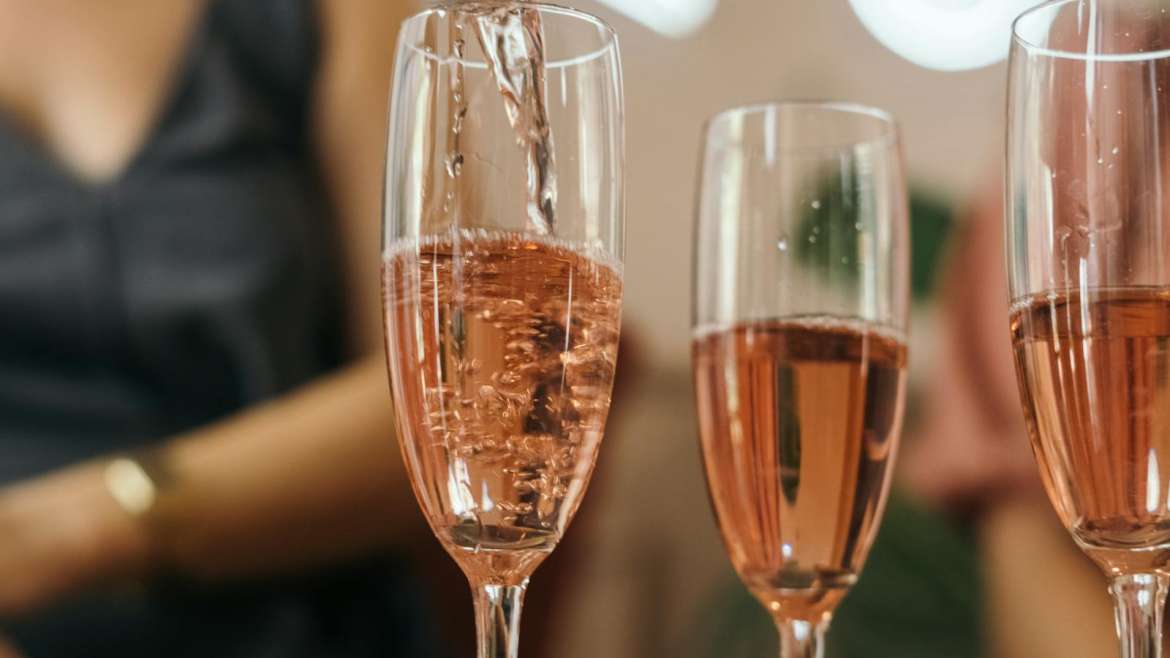
Let’s be honest: part of rosé’s charm is how gorgeous it looks in a glass. Its signature pink hue is not only eye-catching but also versatile. Depending on how it’s made, rosé can range from pale salmon to vibrant magenta, making it perfect for everything from casual backyard hangs to upscale events.
Rosé is also one of the most Instagram-friendly drinks out there. A bottle of rosé beside a charcuterie board or set against an ocean backdrop practically screams summer goals. It’s wine as an aesthetic, and in today’s visually driven world, that’s a pretty big deal.
The Pairing Powerhouse
One of the most magical things about rosé is how versatile it is when it comes to food. Unlike red or white wines, which can sometimes overwhelm or clash with certain dishes, rosé sits comfortably in the middle, complementing a wide range of flavors.
Here’s why rosé works so well: it has the acidity of white wine, the light fruitiness of red wine, and a refreshing crispness that makes it ideal for summer. Whether you’re throwing together a casual picnic or hosting a fancy dinner, rosé has you covered.
Pairing Tips
Seafood: Think grilled shrimp, lobster rolls, or salmon. The wine’s acidity cuts through the richness of seafood while enhancing its natural flavors.
Light Salads: A crisp rosé pairs wonderfully with fresh greens, goat cheese, and even strawberries.
Charcuterie Boards: Rosé’s fruity and floral notes make it a perfect match for salty cured meats, creamy cheeses, and even tangy olives.
Barbecue: Believe it or not, rosé can hold its own against smoky barbecue flavors. Opt for a slightly fuller-bodied rosé to stand up to grilled meats.
Desserts: A sweeter rosé can pair beautifully with fruity desserts like strawberry shortcake or a berry tart.

How Rosé Is Made
For anyone curious about how rosé gets its signature pink hue, it all comes down to winemaking techniques. Rosé is typically made using red grapes, but instead of letting the grape skins ferment with the juice for an extended period (as you would with red wine), winemakers limit the contact time to just a few hours. This shorter maceration is what gives rosé its light, delicate color and flavor.
Some of the most popular types of rosé come from Provence in France, where the style is known for being dry, crisp, and elegant. But rosé isn’t limited to one region—winemakers around the world are putting their own spin on it, from fruity California blends to sparkling rosés from Spain and Italy.
Rosé & Pop Culture
Rosé has become more than just a wine—it’s a lifestyle brand. You’ve probably seen phrases like “Yes Way Rosé” or “Rosé All Day” splashed across everything from tote bags to T-shirts. This playful branding has made rosé feel approachable and fun, while still maintaining its air of sophistication.
The numbers back it up, too. According to Nielsen, rosé sales in the U.S. grew by over 40% in the last decade, and millennials have been a driving force behind this trend. Rosé has become the drink of choice for everything from brunches to weddings, and its popularity shows no signs of slowing down.
Why We Love It
At the end of the day, rosé’s appeal boils down to one simple fact: it’s just so easy to enjoy. It’s light, refreshing, and unpretentious, making it perfect for everything from casual hangouts to special celebrations. There’s a rosé for every palate, whether you prefer something bone-dry or slightly sweet, still or sparkling.
Plus, rosé captures the essence of summer in a way no other wine can. It’s the perfect drink for lounging by the pool, watching the sunset, or toasting to good times with friends. It’s not just a wine you drink—it’s a wine you experience.
So, why is rosé so iconic? Because it’s more than just a beverage—it’s a mood. It’s the wine you reach for when you’re ready to unwind, celebrate, or simply embrace the moment. Whether you’re a seasoned wine lover or just starting to dip your toes into the world of wine, rosé is a perfect choice for summer and beyond.
So, whether it’s Rosé Day or just a Friday night, why not grab a bottle, invite some friends over, and toast to the good life. Cheers!