
Regarded as one of the finest red wines globally, Syrah holds a special place in the hearts of wine enthusiasts. While its popularity is widespread, the intricate history and origin of this exceptional wine remain a mystery to many. Join us as we unravel a concise history of Syrah wine, exploring some pivotal details.
Tracing the Origins of Syrah
Delving deeper into the roots of Syrah wine, its DNA profiling solidifies its French origin, specifically from the highly esteemed Northern Rhone wine region. The birthplace of Syrah can be unequivocally traced to the renowned French viticultural landscape.
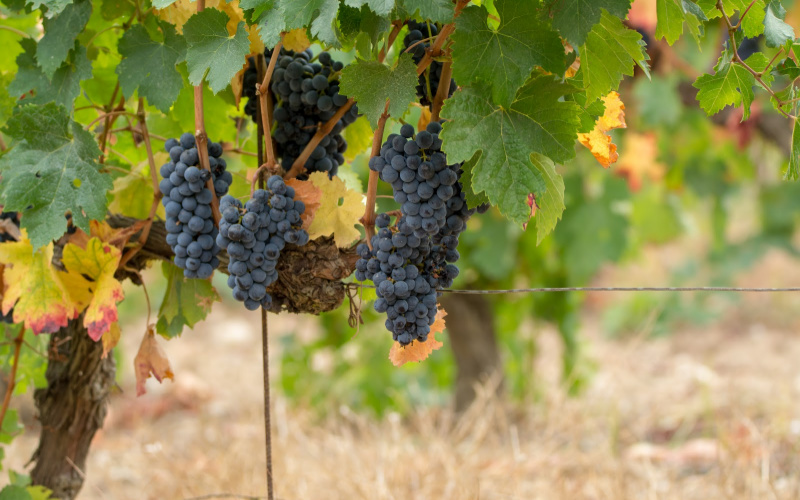
Distinguished by its dark skin and the opacity of its juice, Syrah traces its lineage to two other dark-skinned Southern France wine grapes—Mondeuse Blanche and Dureza. Today, it holds the esteemed position of being the sixth most planted grape variety worldwide. The journey of Syrah from France to Australia, where it morphed into Shiraz, showcases the dynamic evolution of its nomenclature, influenced by the distinctive Australian accent.
Adding to the intrigue, Petite Sirah often confuses due to its similar-sounding name, though spelled differently. Discovered by French botanist Francois Durif in the 1860s, this grape found its way to the United States under the name Durif. Popular in California, it was eventually renamed Petite Sirah, owing to its resemblance to Syrah, albeit with smaller berries.
The Tantalizing Taste of Syrah
Syrah wine entices the palate with a robust flavor that gradually gives way to a lingering peppery taste. The grape is infused with various notes, including black pepper, herbs, white pepper, smoke, and black and red fruits. It further undergoes flavor changes as it matures. I adhere to the adage that “wine tastes better with age” when selecting Syrah wines, finding them more elegant and delectable than their grape counterparts, Shiraz and Sirah.
Crafting The Dry Elegance of Syrah
Syrah wine production is an intricate process that involves careful cultivation and vinification to bring out the grape’s distinctive flavors. Syrah grapes thrive in a variety of climates, contributing to their widespread cultivation globally.
The grape’s dark skin, responsible for the wine’s deep color, is fermented with the juice to extract tannins and robust flavors. Traditional methods, such as oak barrel aging, are often employed to enhance the wine’s complexity and impart subtle nuances. Winemakers may blend Syrah with other varietals to achieve a balanced and harmonious final product.
The meticulous craftsmanship in Syrah wine production ensures that each bottle captures the essence of the grape’s origins while showcasing the unique characteristics imparted by the winemaking process. Syrah stands as a dry wine with a refreshing acidity, boasting alcohol content levels ranging from 13-14.5%. The sweetness of this wine comes alive when paired thoughtfully, enhancing gaming sessions or complementing hearty dishes like stews, meat ragù, and mushrooms.

Pairing Perfection with Syrah Wine
Grilled Meats:
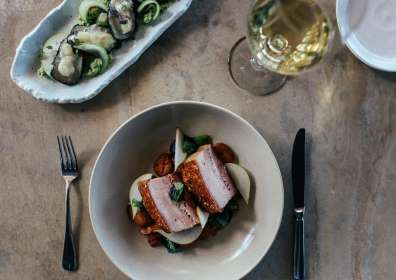
Syrah’s intense flavors complement the smokiness of grilled meats. Try it with grilled lamb chops, steaks, or barbecued meats for a delightful combination.
Game Meats:
The strong and savory character of Syrah pairs exceptionally well with game meats like venison, duck, and boar. The richness of the wine complements the earthy and robust flavors of these meats.
Spicy Dishes:
Syrah’s peppery and spicy notes make it an ideal match for spicy cuisines. Consider pairing it with dishes like spicy barbecue, Cajun-style dishes, or even Mexican mole.
Hard Cheeses:
Syrah’s tannins and boldness work well with aged and hard cheeses. Try it with varieties like aged cheddar, Gouda, or Parmesan to enhance the wine’s depth.
Roasted Vegetables:
Roasted vegetables, especially those with a caramelized exterior, complement the flavors of Syrah wine. Consider dishes with roasted bell peppers, eggplant, or mushrooms.
Charcuterie:
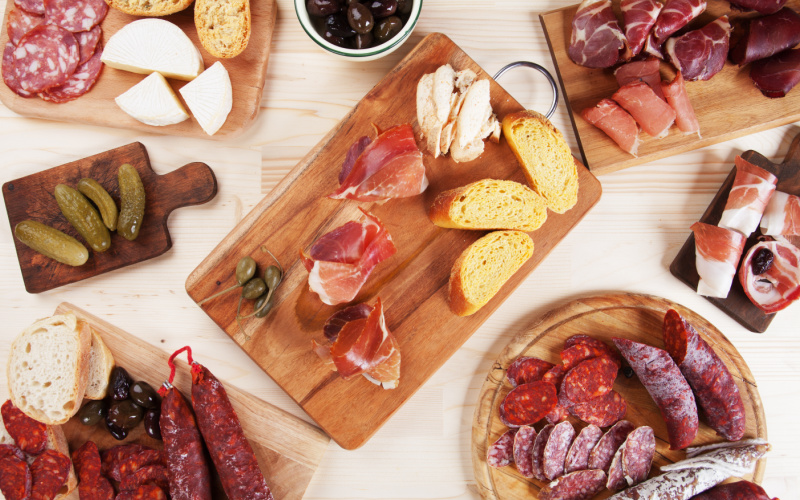
Create a charcuterie board with cured meats like salami, prosciutto, and chorizo. The saltiness of the meats pairs well with Syrah’s bold fruit and spice notes.
Herb-Infused Dishes:
Dishes seasoned with herbs such as rosemary, thyme, and oregano complement Syrah’s herbal and earthy characteristics. Try it with herb-roasted chicken or grilled vegetables.
Stews and Casseroles:
Syrah’s richness and structure make it a great match for hearty stews and casseroles. Beef stew, lamb curry, or cassoulet can be delightful choices.
Chocolate Desserts:
Syrah’s dark fruit flavors can be harmonious with chocolate desserts. Consider pairing it with dark chocolate truffles or flourless chocolate cake for a decadent finish to your meal.
Smoky Flavors:
Foods with a smoky element, such as smoked sausages or grilled portobello mushrooms, can complement the smokiness often found in Syrah.

Embark on a Syrah Adventure
For those yet to experience the allure of Syrah wine, consider starting with our 2021 Freedom of Life Estate Reserve Syrah. This wine features abundant dark fruits and spice and was born of our first planted varietal. It honors Syrah’s rich history, diverse flavors, and versatility in pairings. Speaking of which, we highly recommend pairing it with a rich beef Wellington, accompanied by roasted garlic mashed potatoes and steamed green beans. It’s simply divine! For wine enthusiasts seeking a distinctive and memorable tasting experience, Syrah is a no-brainer.