
Knowing the ideal order of tasting wine and serving wine can enhance its unique flavors, and take your wine tasting experience to new heights. Even if you are new to wine, there are advantages to serving common wine varietals in a specific order.
The Importance of Order in Wine Tasting
You see, similar to eating a meal, wines have their own “courses” that flow best in a particular order. Typically, lighter wines are served before heavier ones, and dry wines precede sweet ones. This progression helps your palate transition smoothly, making sure each wine’s character shines through.
The Proper Sequence
Let’s take a deeper dive into the best wine tasting sequence, along with insights into the most common wine varietals.
A Sparkling Start
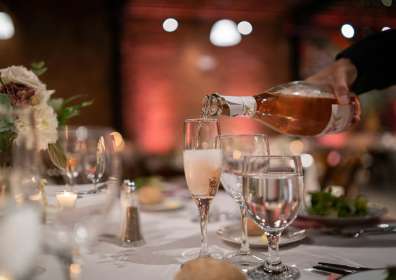
Start your experience with a little bubbly! Champagne, Prosecco, or Cava, are often enjoyed first. Their light, refreshing bubbles wake up the palate and set the tone for a great time. Furthermore, they’re perfect for celebrations, and well, even small wins are worth celebrating!
Move to Light Whites
After the sparkles, it’s time to taste the light white wines. Think of varietals like Sauvignon Blanc, Pinot Grigio, or Albariño. These wines are usually crisp and refreshing, making them a great follow-up.
Transition to Full-Bodied Whites
Continuing on, full-bodied white wines like Chardonnay or Viognier are next. These wines have richer flavors and often a creamy texture, which is best appreciated after lighter wines.
Rosé Adventure
Rosé wines are versatile and can fit in various spots within a tasting. However, placing them here works well because they bridge the gap between white and red wines with their balance of fruitiness and acidity.
Progress to Light Reds
Light reds, such as Pinot Noir or Gamay, come next. These wines are generally lower in tannins and have a delicate structure that is best enjoyed before moving on to bolder reds.
Save Room for Full-Bodied Reds
Now we’re into the heavy hitters—full-bodied red wines like Cabernet Sauvignon, Syrah, or Malbec. These wines are rich, intense, and packed with flavor, so it’s wise to taste them after the lighter wines.
A Sweet Ending
Finally, sweet and dessert wines like Sauternes, Port, or Ice Wine make a perfect ending. Their sweetness can overshadow other flavors, so it’s best to save these for last.

Essential Tips for Serving Wine
Now that we’ve covered the tasting order, let’s talk about serving wine. Here are expert tips on how to get it just right:
Serve Chilled Wines First
Sparkling wines and light whites should be served chilled. This makes them more refreshing and keeps their delicate aromas intact. As the evening progresses, wines can be served slightly warmer.
Consider the Menu
The food you’re serving plays a big role in the order of your wines. For example, if your appetizer is a fresh salad, start with a light white wine. As you move to richer dishes, like a steak, transition to a full-bodied red.
Pour with Care
Serving size matters. Start with smaller pours so guests can taste each wine without feeling overwhelmed. If they find a favorite, they can always ask for more.
Use the Right Glassware
The glass you serve wine in can influence its taste. Use flutes for sparkling wine, smaller glasses for whites, and larger ones for reds. This isn’t just about looks—different shapes help concentrate or diffuse aromas, enhancing the tasting experience.

A Reference on Common Wine Varietals to Expect
Understanding the common varietals served at wine tastings and their characteristics is sure to make you confident at any wine tasting.
Sauvignon Blanc: Crisp, citrusy, and often with herbal notes.
Chardonnay: Can range from light and fruity to rich and oaky.
Pinot Grigio: Light, refreshing, with notes of pear and green apple.
Pinot Noir: Delicate, with flavors of cherry, raspberry, and earth.
Cabernet Sauvignon: Bold, with dark fruit flavors and strong tannins.
Syrah/Shiraz: Spicy, with rich berry flavors and peppery notes.
Rosé: Can range from dry to sweet, with flavors of red fruit and citrus.
Port: Sweet, rich, with flavors of dried fruit, nuts, and chocolate.

Wine tasting and serving is as much about the journey as it is about the wine itself. By following this guide, you can create a memorable experience, whether a soiree with friends or an intimate evening at home. Remember, the best wine is the one you enjoy, so don’t be afraid to explore and find what suits your palate. Cheers!