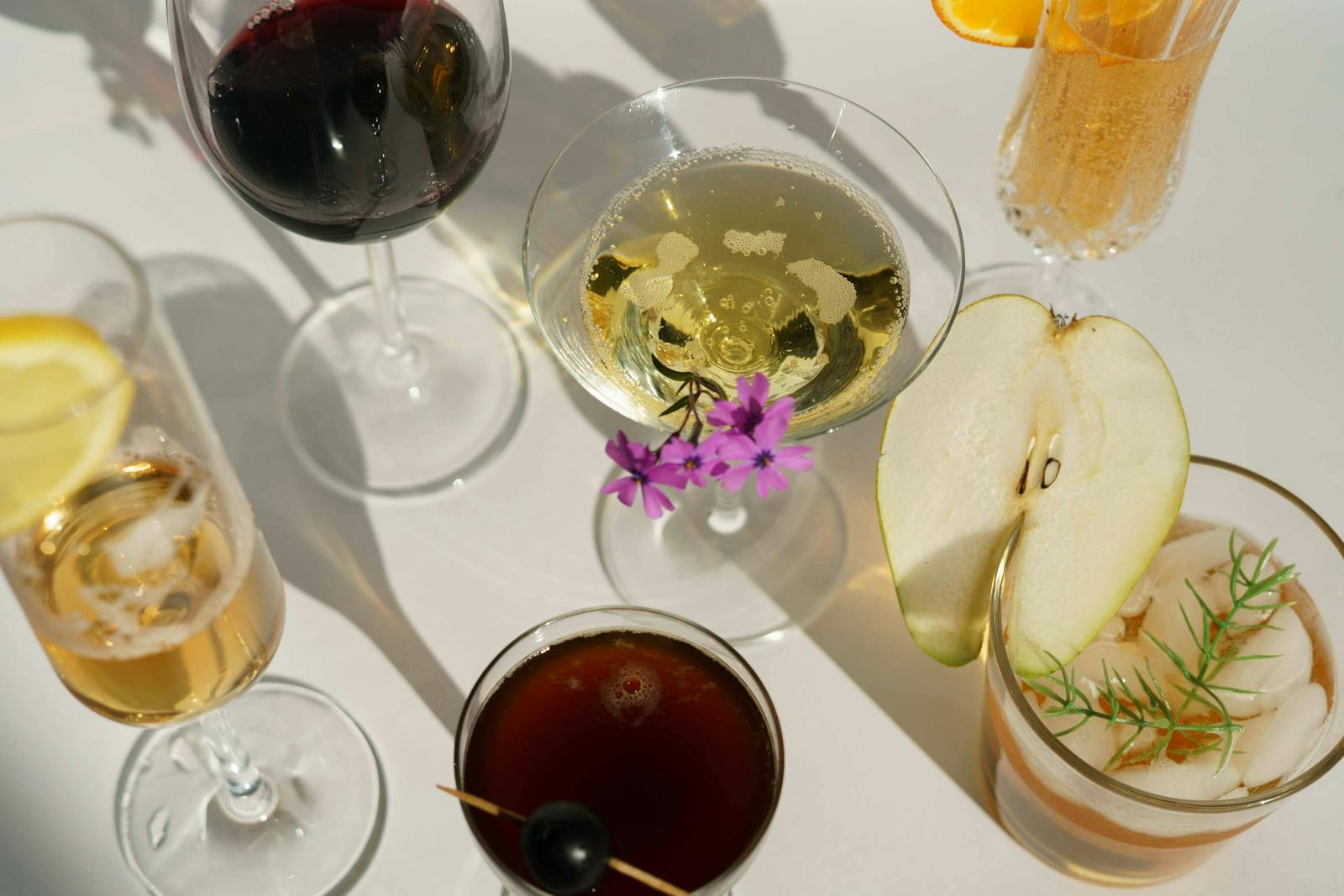
Wine tasting is an art, a celebration of flavors, aromas, and textures that dance across your palate. But have you noticed that there comes a point after a few sips—or glasses—your palate starts to feel overwhelmed? That's where palate cleansers come in, little heroes that ensure each sip is as fresh and vibrant as the first.
After years of tastings (and a few palate-fatigue mishaps), I’ve discovered the most effective palate cleansers. In this article, I’ll walk you through the 12 best palate cleansers for winos, why they work, and how to use them. I'll even throw in some extra tips to make your wine experience even better.
What Is a Palate Cleanser, and Why Do You Need One?
A palate cleanser is a food or drink that neutralizes your taste buds. They essentially “reset” your palate so you can fully appreciate new flavors. If you’ve ever gone from a rich, oaky Chardonnay to a crisp Sauvignon Blanc, you may have found the latter tasting a bit dull. It’s likely because your palate was still coated with the lingering flavors of the first wine.
Palate cleansers have been used for centuries in wine tastings, multi-course meals, and even perfume testing (fun fact: coffee beans are the “palate cleanser” for your nose!). They work by removing the residue of one flavor profile—whether it’s heavy tannins, sweetness, or acidity—so you can truly taste and enjoy the next.
Choosing the Right Palate Cleansers
Not all palate cleansers are created equal. The best ones are:
- Neutral in flavor (so they don’t interfere with the wine).
- Mildly acidic or slightly astringent (to cut through fats and tannins).
- Refreshing and light (to avoid overwhelming your senses).
Now that we’ve covered the basics, let’s dive into the 12 most effective palate cleansers for wine drinkers.
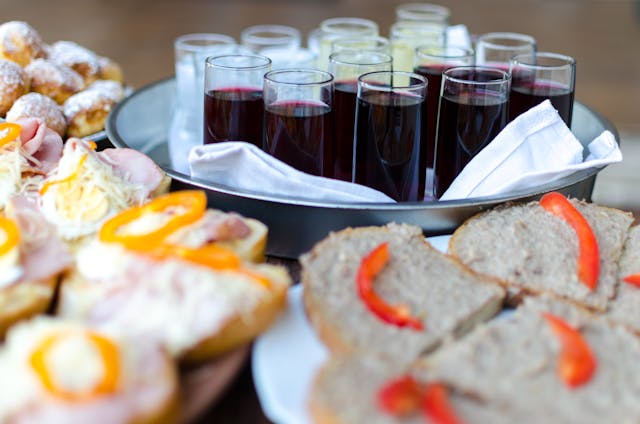
Sparkling Water (The Classic Reset)
Plain sparkling water with a squeeze of lemon or lime is my go-to when I'm between wines. The effervescence lifts residual flavors off the tongue, while the citrus acidity refreshes the palate. A study published in the Journal of Food Science found that carbonation helps neutralize strong aftertastes more effectively than still water.
Tip: Skip flavored seltzers—artificial additives can interfere with wine flavors.
Plain White Bread (The Neutralizer)
A bite of unsalted, unbuttered white bread acts like a sponge, absorbing leftover wine compounds. It’s a staple at professional tastings because it doesn’t introduce new flavors.
Bonus: Sourdough’s mild tang can also work, but avoid seeded or whole-grain breads—they’re too flavorful.
Granny Smith Apples (The Crisp Refresher)
Their high malic acid (the same acid in many white wines) and crisp texture scrub the palate clean. I always keep a few slices on hand during long tastings—they’re especially great between reds.
Unsalted Crackers (The Quick Fix)
Saltines or water crackers are a no-fuss option. Their mild starchiness soaks up wine residue without adding competing flavors.
Pro Move: Pair them with a sip of water for extra effectiveness.
Pickled Ginger (The Sushi Trick)
Ever notice ginger served with sushi? It’s meant to cleanse the palate between bites. The same principle applies to wine. Ginger’s sharp, spicy notes cut through rich, buttery Chardonnays or heavy Cabernets.
Caution: A little goes a long way—too much can overwhelm delicate wines.
Cucumber Slices (The Hydrating Cleanse)
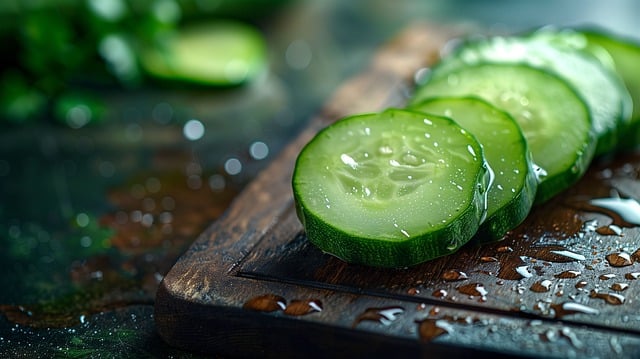
Mild, watery, and refreshing, cucumber is a personal favorite for summer tastings. Its high water content rinses the palate without altering taste perception.
Try This: Add a drop of lemon juice for extra zing.
Fennel Seeds (The Aromatic Reset)
Common in Indian cuisine, fennel seeds have a light licorice flavor that neutralizes lingering spice or tannins. Chewing a few seeds between wines is an old sommelier trick.
Fun Fact: Fennel also aids digestion—handy if you’re sampling multiple wines.
Celery Sticks (The Crunchy Refresher)
Like cucumber, celery’s high water content and mild flavor make it an ideal palate cleanser. The fibrous texture also helps "scrub" the tongue.
Bonus: It’s a zero-calorie option if you’re pacing yourself.
Rice Cakes (The Blank Slate)
Plain rice cakes are essentially flavorless, making them perfect for absorbing wine residue. They’re my secret weapon at home tastings when I don’t have crackers handy.
Green Olives (The Savory Option)
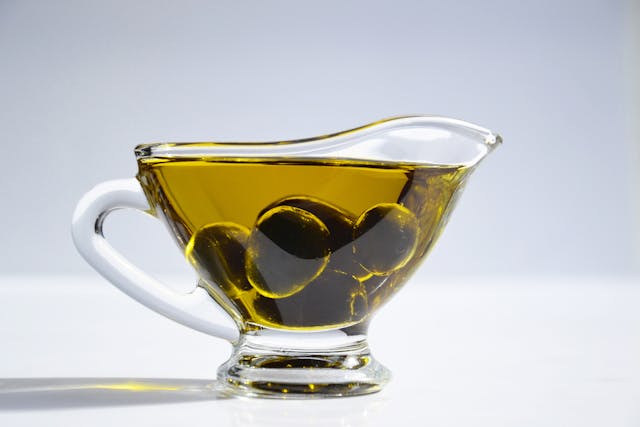
For those who prefer savory over sweet, a single green olive (not too salty) can reset the palate. The brininess contrasts with the wine’s fruitiness, providing a clean break.
Tip: Avoid olives stuffed with garlic or peppers—they’ll overpower the next wine.
Lemon Sorbet (The Sweet Reset)
A small spoonful of lemon sorbet between courses (or wines) works wonders. The cold temperature and acidity refresh the palate, making it a favorite at upscale tastings.
Warning: Don’t use creamy sorbets—dairy coats the tongue, dulling flavors.
Coconut Water (The Hydration Boost)
Lightly sweet and packed with electrolytes, coconut water clears the palate while rehydrating you—key if you’re sampling several wines.
Avoid Flavored Versions: Stick to pure, unsweetened coconut water.
Biggest Offenders: The Wines That Cling to Your Palate
Here are the ones that most benefit from a reset:
Big, Bold Reds (Cabernet Sauvignon, Syrah, Malbec)
These wines are packed with tannins, dark fruit, and often oak—all of which can coat your mouth and make lighter wines taste flat afterward. A palate cleanser helps strip away that heaviness.
Oaked Chardonnay
Buttery, vanilla-heavy Chardonnays can leave a creamy, rich residue on your tongue. If you’re switching to a crisp Sauvignon Blanc or sparkling wine afterward, a quick cleanse ensures you taste it properly.
High-Alcohol Wines (Zinfandel, Shiraz, Amarone)
Wines with 14% ABV or higher can leave a burning, spicy sensation that lingers. A sip of sparkling water or a bite of cucumber helps neutralize the heat.
Sweet/Dessert Wines (Port, Sauternes, Ice Wine)
Sugar sticks to your palate like glue. If you go from a luscious Port to a dry red, the contrast can make the dry wine taste harsh or bitter. A palate cleanser bridges the gap.
Funky or Aged Wines (Natural Wines, Old-World Reds, Barnyardy Pinot Noir)
Wines with earthy, leathery, or funky notes (think aged Barolo or certain natural wines) can leave a lasting impression. A neutral reset (like white bread or crackers) helps clear the slate.
Spicy or Peppery Reds (Carménère, Grenache, some Pinot Noirs)
If a wine leaves a peppery tingle or lingering spice, it can clash with the next wine. Fennel seeds or green apple work well here.
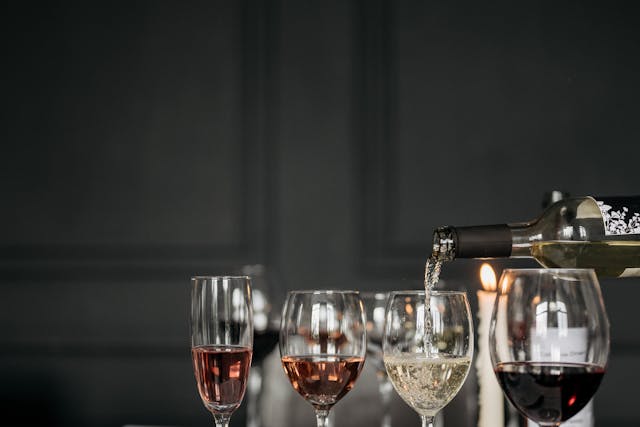
When You Don’t Need One as Much:
- Light-bodied whites (Pinot Grigio, Albariño)
- Most rosés
- Young, fruity reds (Beaujolais Nouveau)
These wines are fresher and less likely to overwhelm your palate.
Pro Tip:
If you’re doing a structured tasting (light to heavy, dry to sweet), you might not need palate cleansers as often. But if you’re jumping between styles, keep one handy—especially with the heavy hitters listed above.
Bonus Tips for Palate Cleansing
- Hydrate: Always keep a glass of water handy during tastings. Staying hydrated helps your palate stay sharp.
- Pace Yourself: Give your palate a moment to rest between wines. Rushing through can muddle the flavors.
- Avoid Strong Flavors: Spicy, salty, or greasy foods can linger on your palate and make it harder to taste wine properly.
The Science of Palate Fatigue
Palate fatigue happens when your taste buds become desensitized from repeated exposure to strong flavors. It’s why the first sip of wine tastes amazing, but by the fifth, you might notice less complexity. Cleansers work by reawakening your taste buds, ensuring you can fully appreciate every wine you try.
Palate Cleansers to the Rescue
A great wine deserves to be tasted at its best, and the right palate cleanser ensures you don’t miss a thing. My top picks? Sparkling water, Granny Smith apples, and plain crackers for simplicity.
Experiment to see what works best for you—everyone’s palate is different. And remember, staying hydrated (with water, not just wine!) is the ultimate key to keeping your taste buds sharp all night.
Next time you’re swirling, sipping, and savoring one of our signature wines, keep one of these cleansers nearby. Cheers!